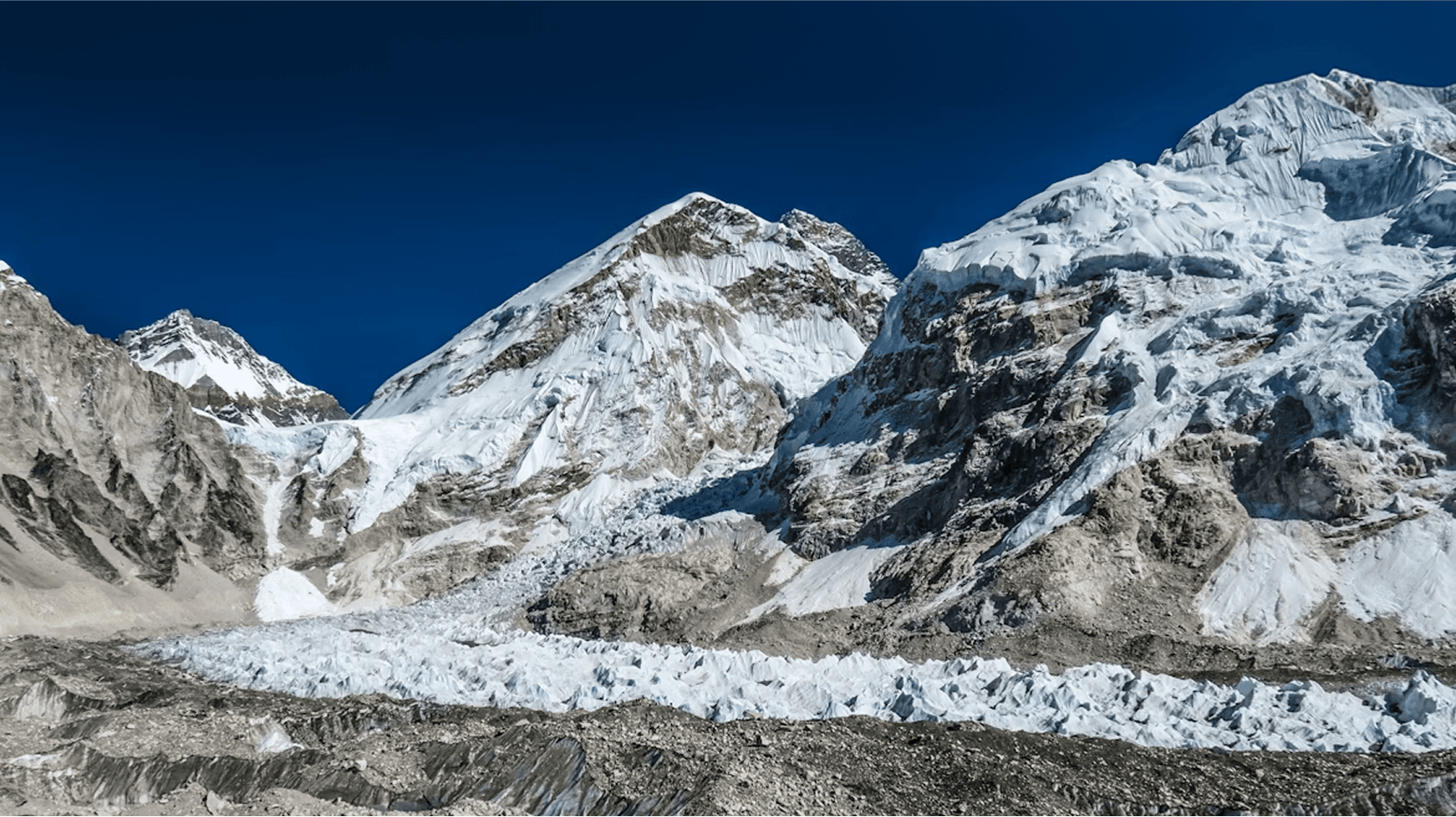
Everest Base Camp
Understand how Everest Base Camp connects to the Khumbu Icefall, what trekkers can see, where the climbing route begins, and how to plan an Everest region journey with better information.
Everest Base Camp Khumbu Icefall Guide
Everest Base Camp and the Khumbu Icefall are closely connected, but they are not the same experience.
For trekkers, Everest Base Camp is the famous endpoint of the classic route through Nepal's Khumbu region. For expedition climbers, it is the starting point for the technical route through the Khumbu Icefall toward Camp 1, the Western Cwm, Camp 2 and higher sections of Mount Everest.
This guide explains what Everest Base Camp is, how it connects to the Khumbu Icefall, what trekkers can realistically see, and what travelers should understand before planning an Everest Base Camp trek or a more technical Himalayan climb.
Ask an Everest Base Camp QuestionWhat Is Everest Base Camp?
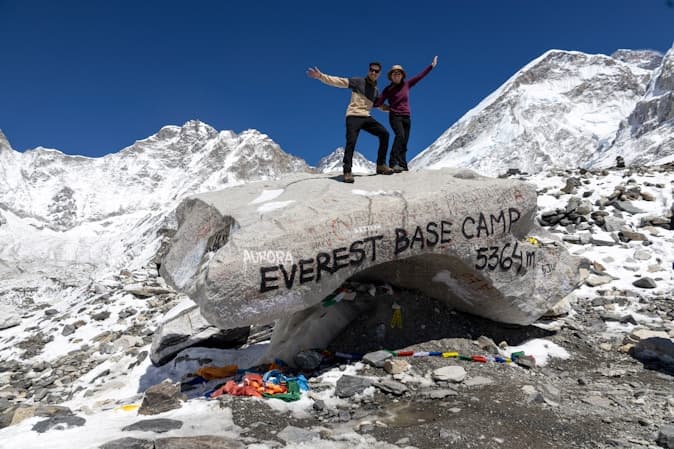
Everest Base Camp sits at approximately 5,364 metres on the Khumbu Glacier in Nepal's Khumbu region. It is the endpoint for trekkers on the classic EBC route and the staging ground for climbing expeditions attempting the South Col route of Mount Everest.
Explore Trekking Routes to Base Camp
Where Is Everest Base Camp Located?
What Can Trekkers See at Base Camp?
How Does Base Camp Connect to the Khumbu Icefall?
Can Trekkers See the Khumbu Icefall?
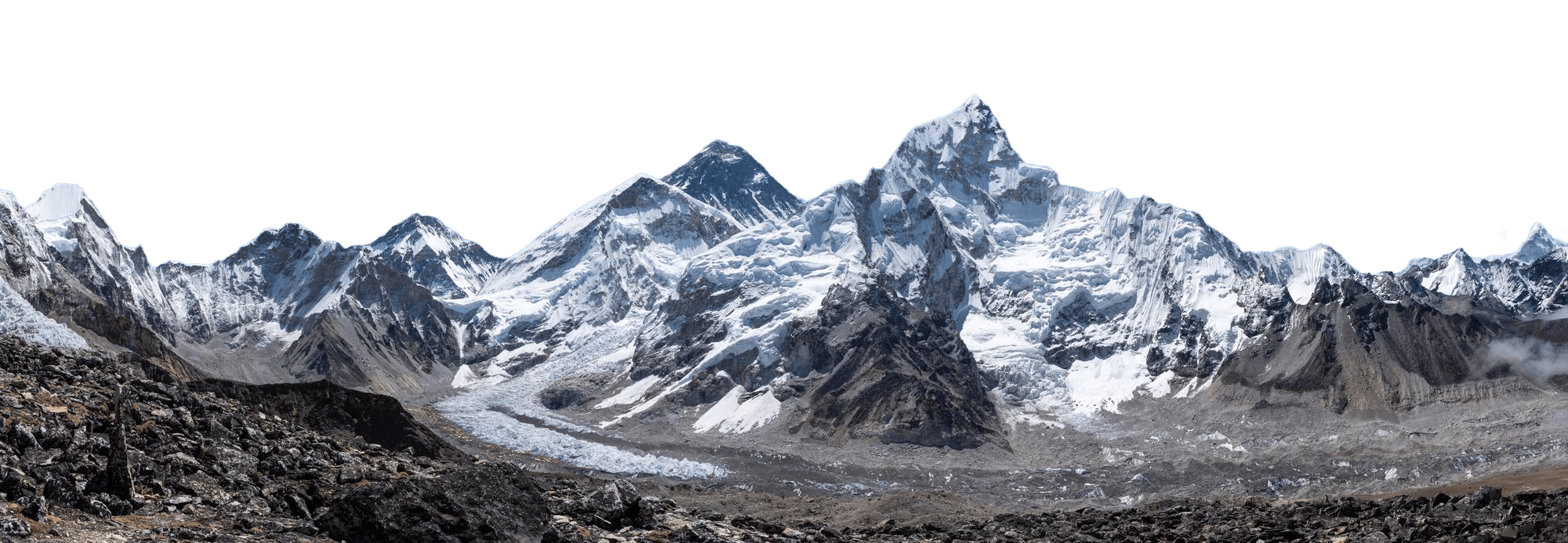
Yes, trekkers may see the glacier landscape around Everest Base Camp and the lower area associated with the Khumbu Icefall. But normal trekkers do not cross the technical Icefall route.
This is one of the most important points for travelers to understand.
What Trekkers Can Usually Experience
Trekkers can usually experience:
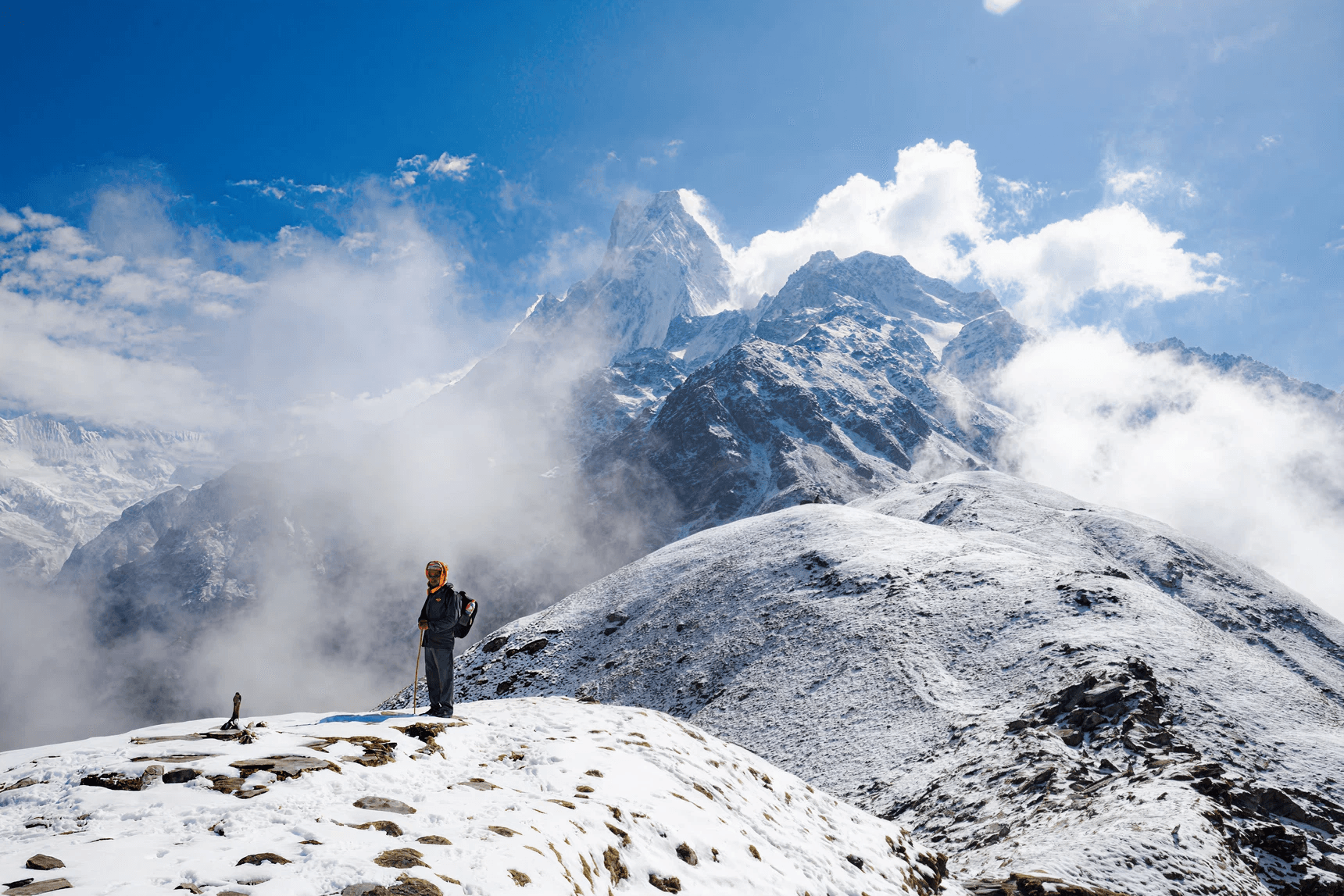
- The Everest Base Camp area
- Khumbu Glacier views
- Mountain views near Base Camp
- Kala Patthar viewpoint
- High-altitude trekking through the Khumbu region
- The atmosphere of the Everest expedition zone during spring
What Trekkers Should Not Expect
Trekkers should not expect to:
- Cross the Khumbu Icefall
- Use expedition ladders
Everest Base Camp Trek Overview
The Everest Base Camp trek is one of Nepal's most iconic high-altitude trekking routes. It normally begins with a flight to Lukla, followed by several days of trekking through the Khumbu region toward Base Camp.
The trek is popular because it combines mountain scenery, Sherpa culture, high-altitude villages, monasteries, glacial landscapes and the emotional experience of reaching Everest Base Camp.
How Everest Base Camp Connects to the Khumbu Icefall
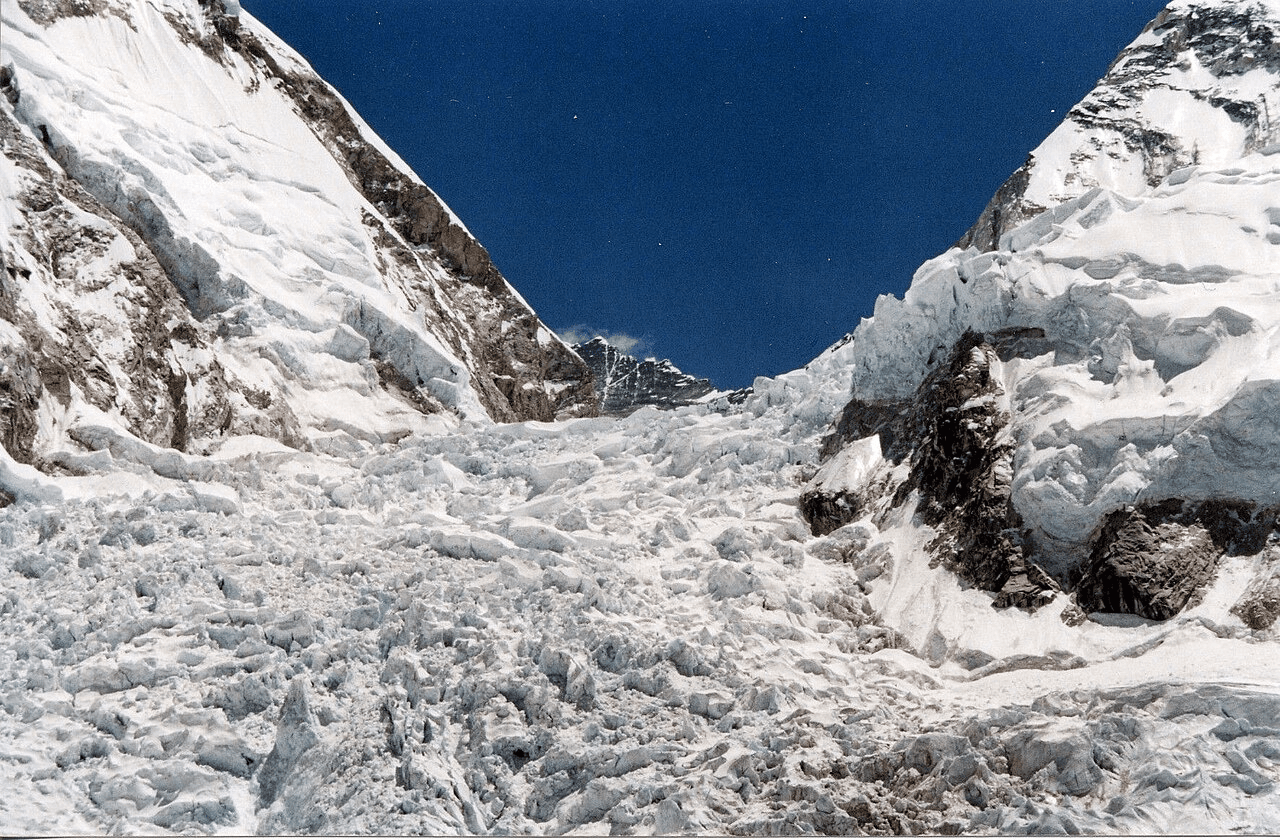
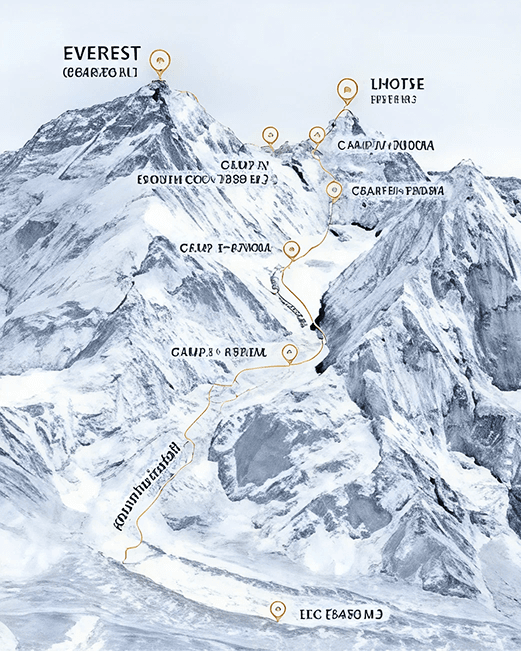
The Khumbu Icefall sits above Everest Base Camp on the Nepal side of Mount Everest. It is part of the Khumbu Glacier system and forms the technical passage toward Camp 1.
Everest Base Camp to the Khumbu Icefall
Everest Base Camp lies near the lower glacier landscape. From there, climbers begin moving toward the Khumbu Icefall when the route is open and conditions allow.
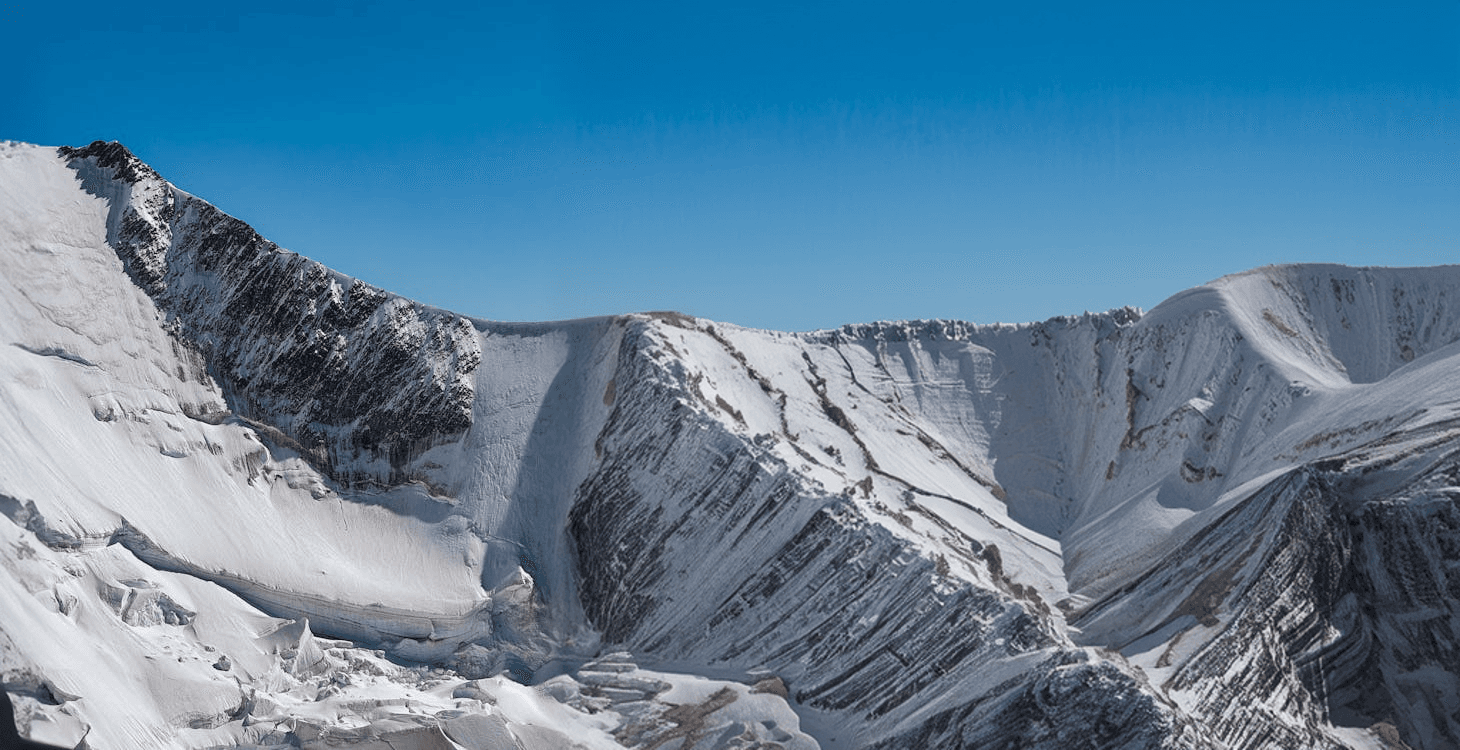
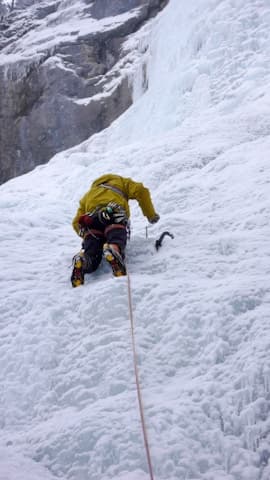
The Icefall itself is not a normal trekking trail. It is a moving glacier section with crevasses, ladders, fixed ropes, seracs and route changes.
Why the Icefall Route Changes
The Khumbu Icefall changes because the glacier moves. Ice blocks shift, crevasses open, seracs collapse and route teams adjust the path based on conditions.
This is why any map or route explanation should be treated as educational, not as real-time navigation guidance.
The Role of Icefall Doctors
Icefall Doctors are experienced Sherpa route workers who help establish and maintain the climbing route through the Khumbu Icefall during the Everest season. Their work is essential for expedition teams, but it does not make the Icefall a normal trekking route.
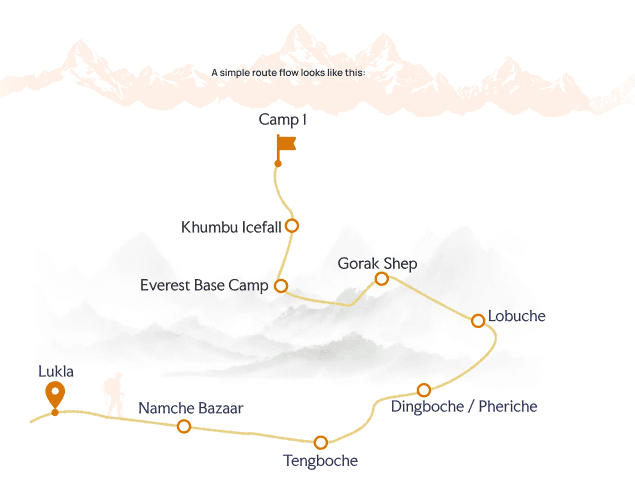
For trekkers, the route usually ends at Everest Base Camp or nearby viewpoints such as Kala Patthar. For climbers, the route continues beyond Base Camp into the Icefall.
Everest Base Camp, Khumbu Icefall and Responsible Travel
The Everest region is not just a trekking destination. It is a living mountain region with Sherpa communities, monasteries, protected landscapes, wildlife, trails, lodges and expedition history.
Responsible travel is important because the Everest region receives visitors from around the world, and that creates pressure on trails, waste systems, local resources and mountain workers.
Respect Local Communities
Travelers should respect Sherpa culture, local customs, monasteries, village life and community rules.
Reduce Waste
Everest region travel creates pressure on the local environment. Trekkers should reduce plastic use, follow waste rules and respect national park guidelines.
Choose Responsible Support
Guides and porters are central to Everest region travel. Choose operators that treat staff fairly, plan realistic itineraries and prioritize safety over speed.
Route from Lukla to Everest Base Camp
Most Everest Base Camp treks follow a route through the Khumbu region, with gradual altitude gain and acclimatization days.
Typical Route Flow
Most Everest Base Camp treks follow a route through the Khumbu region, with gradual altitude gain and acclimatization days.
Everest Base Camp and Kala Patthar
Many trekkers visit both Everest Base Camp and Kala Patthar. Base Camp offers the expedition-zone experience, while Kala Patthar is often chosen for clearer mountain views.
If a traveler wants strong visual views of Everest, Kala Patthar is usually an important part of the itinerary.
This can vary depending on itinerary length, acclimatization days, weather, flight schedules and traveler fitness.
Key Places Along The Route
Lukla
Common air access point for the Everest region
Phakding
Early trail stop after Lukla
Namche Bazaar
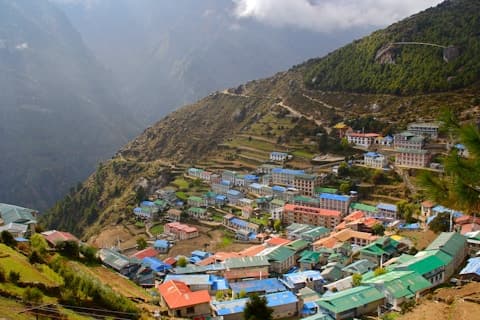
Major Khumbu town and acclimatization stop
Tengboche
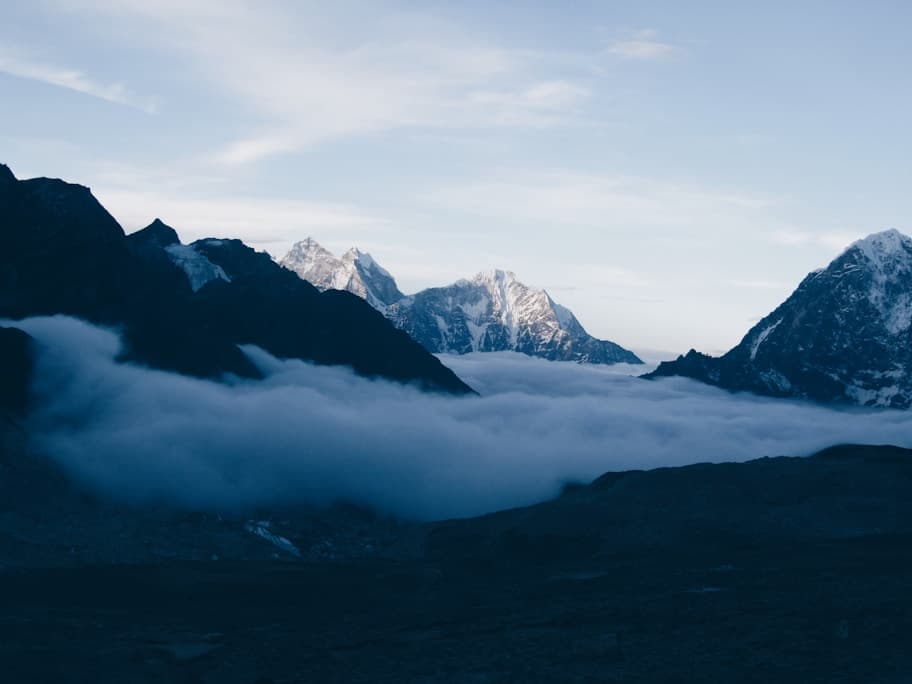
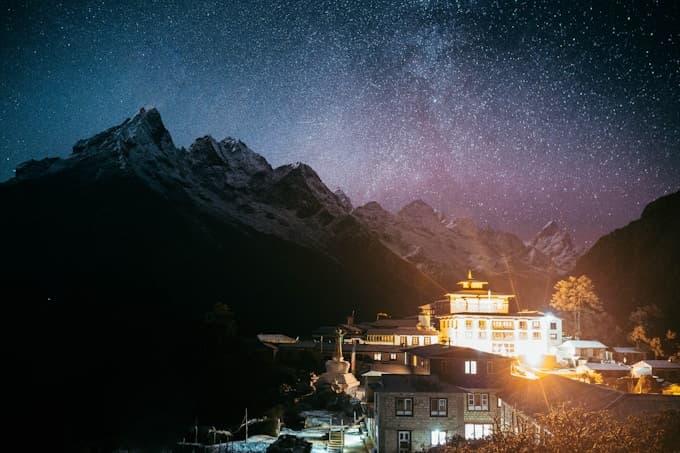
Monastery village with mountain views
Dingboche / Pheriche
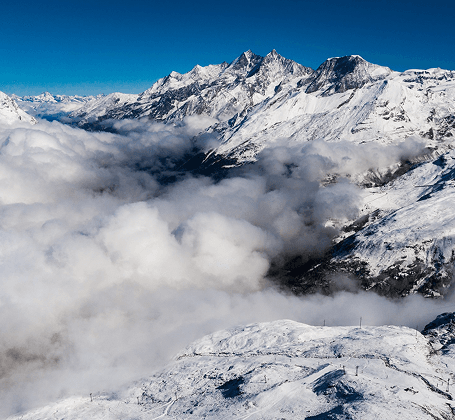
Common acclimatization area
Lobuche
High-altitude stop before Gorak Shep
Gorak Shep
Final settlement before Everest Base Camp
Everest Base Camp
Main trekking endpoint near the Khumbu Glacier
Kala Patthar
Famous viewpoint for Everest and surrounding peaks
Best Seasons for Everest Base Camp
The best time for Everest Base Camp depends on what the traveler wants: mountain views, expedition atmosphere, quieter trails or seasonal comfort.
The two most common trekking seasons are spring and autumn.

Spring
Spring is popular because the Everest region becomes active with trekking and expedition movement. Base Camp can feel more alive during this period because Everest expedition teams are often present.
Spring is also when the Khumbu Icefall becomes especially relevant for climbers, because expedition activity increases and route preparation becomes a major part of the Everest season.

Autumn
Autumn is another major trekking season. Many travelers choose autumn for mountain views, trekking conditions and a strong chance of clearer skies.
It is often preferred by trekkers who want the Everest Base Camp experience without the heavier expedition atmosphere of spring.

Winter
Winter can be quieter but colder. Monsoon can bring cloud, rain, trail challenges and flight disruption.
These seasons may suit some travelers, but they require more careful planning and realistic expectations.
Safety and Acclimatization Notes
Everest Base Camp is not a technical climb, but it is still a high-altitude trek. Safety planning matters.
The biggest issue for many trekkers is not the trail itself. It is altitude, pacing and poor itinerary design.
Acclimatization Is Not Optional
Spring is popular because the Everest region becomes active with trekking and expedition movement. Base Camp can feel more alive during this period because Everest expedition teams are often present.
Spring is also when the Khumbu Icefall becomes especially relevant for climbers, because expedition activity increases and route preparation becomes a major part of the Everest season.
Trekking Safety vs Climbing Safety
Trekking safety focuses on altitude, weather, trail conditions, hydration, warmth and pacing.
Climbing safety beyond Base Camp involves a much higher level of risk, including the Khumbu Icefall, crevasses, fixed ropes, ladders, seracs and avalanche exposure.
Ask the Right Questions Before Choosing a Trek
Before choosing any Everest Base Camp itinerary, ask:
Safety Note: This page provides educational travel information only. Route conditions, permits, weather, access and safety requirements can change. Always confirm current details with licensed guides, agencies, official sources and local authorities before travel or climbing.