Safety
Essential safety information for trekking and climbing in the Khumbu region — altitude sickness, route hazards, gear requirements, and rescue resources.
Khumbu Trekking & Climbing Safety
Trekking and climbing in the Khumbu region involves real altitude-related risks that require preparation and awareness. Acute Mountain Sickness, High Altitude Pulmonary Edema, and High Altitude Cerebral Edema are serious conditions that can develop rapidly above 3,500 metres.
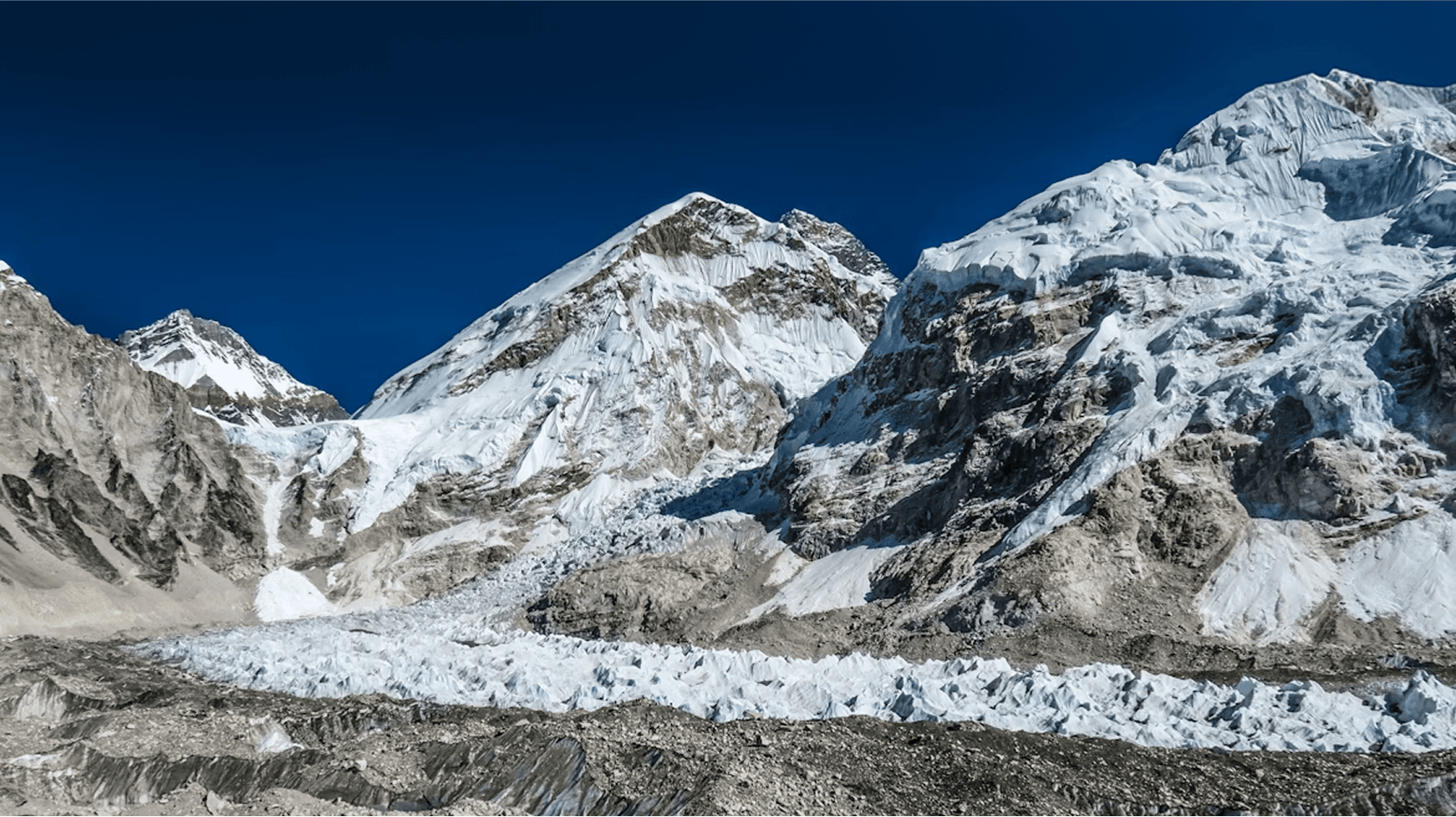
The Khumbu Icefall presents additional objective hazards specific to climbers — shifting seracs, hidden crevasses, and unpredictable ice movement that make it one of the most technically demanding and dangerous sections of any Himalayan expedition.
This safety guide covers the key risks for both trekkers and climbers in the Khumbu, including acclimatisation schedules, warning signs to watch for, gear requirements, rescue and evacuation procedures, and practical guidance on when to turn back.
Ask a Safety QuestionSafety FAQs
Start With Better Khumbu Information
The Khumbu Icefall is one of the most important and serious parts of the Everest region. Whether you are researching Everest Base Camp, learning about the Icefall route, exploring Khumbu treks or comparing future travel options, start with clear information first.