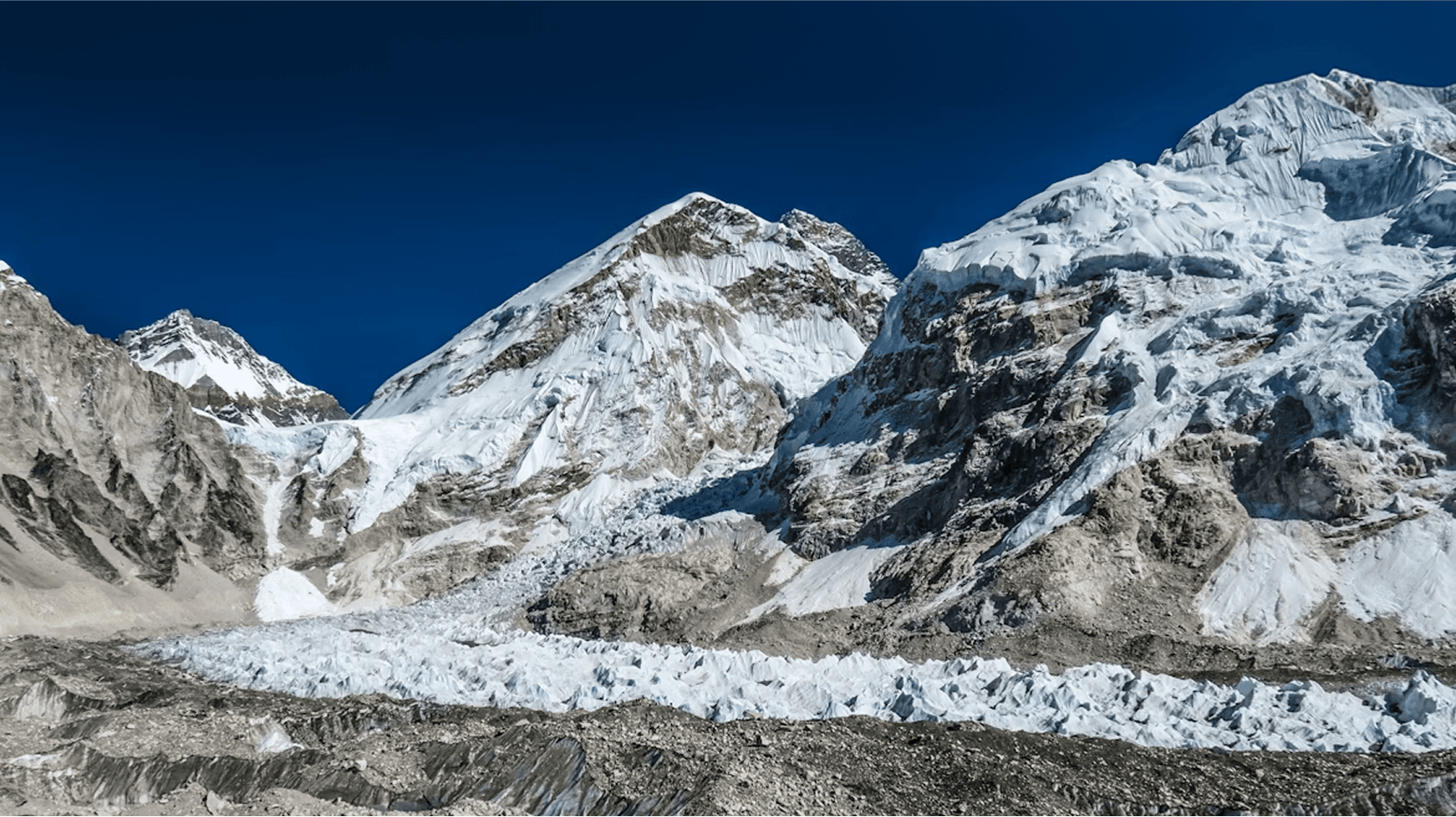
Things To Do in Khumbu
Discover the experiences available in the Khumbu region — from sunrise viewpoints and acclimatisation walks to monastery visits and cultural highlights near Everest.
Experiences Across the Khumbu Region
The Khumbu region offers far more than a single route to Everest Base Camp. Between acclimatisation days, side trips, and cultural stops, most trekkers find the area has more to offer than their itinerary allows.
Highlights include the sunrise viewpoint at Kala Patthar, the turquoise lakes at Gokyo, the ancient Tengboche Monastery, and the lesser-visited Thame Valley — each offering a distinct perspective on life and landscape at high altitude.
This section covers the key experiences available in the Khumbu — explaining what each involves, how to fit them into a standard itinerary, what physical demands they require, and which seasons suit each activity best.
Ask About ActivitiesExplore the Khumbu Region Beyond the Icefall
The Khumbu Icefall is one of the most famous features of the Everest route, but the wider Khumbu region offers many experiences for trekkers, culture seekers, climbers and mountain travelers.
You can trek to Everest Base Camp, watch sunrise from Kala Patthar, walk through Namche Bazaar, visit Tengboche Monastery, explore Gokyo Lakes, cross high mountain passes or learn about Sherpa culture and responsible travel.
Why the Khumbu Region Is Special
Khumbu combines mountain adventure with living culture. Trails pass through villages, prayer walls, monasteries, suspension bridges, glacial valleys and viewpoints that reveal Everest, Lhotse, Nuptse, Ama Dablam and other Himalayan peaks.
Who This Page Is For
This page is useful if you are:
- Planning an Everest Base Camp trek
- Researching Khumbu region experiences
- Looking for alternatives to the standard EBC route
- Comparing Gokyo, Three Passes or Kala Patthar
- Interested in Sherpa culture and monasteries
- Thinking about climbing routes such as Island Peak or Lobuche Peak
- Trying to understand what fits your time and fitness
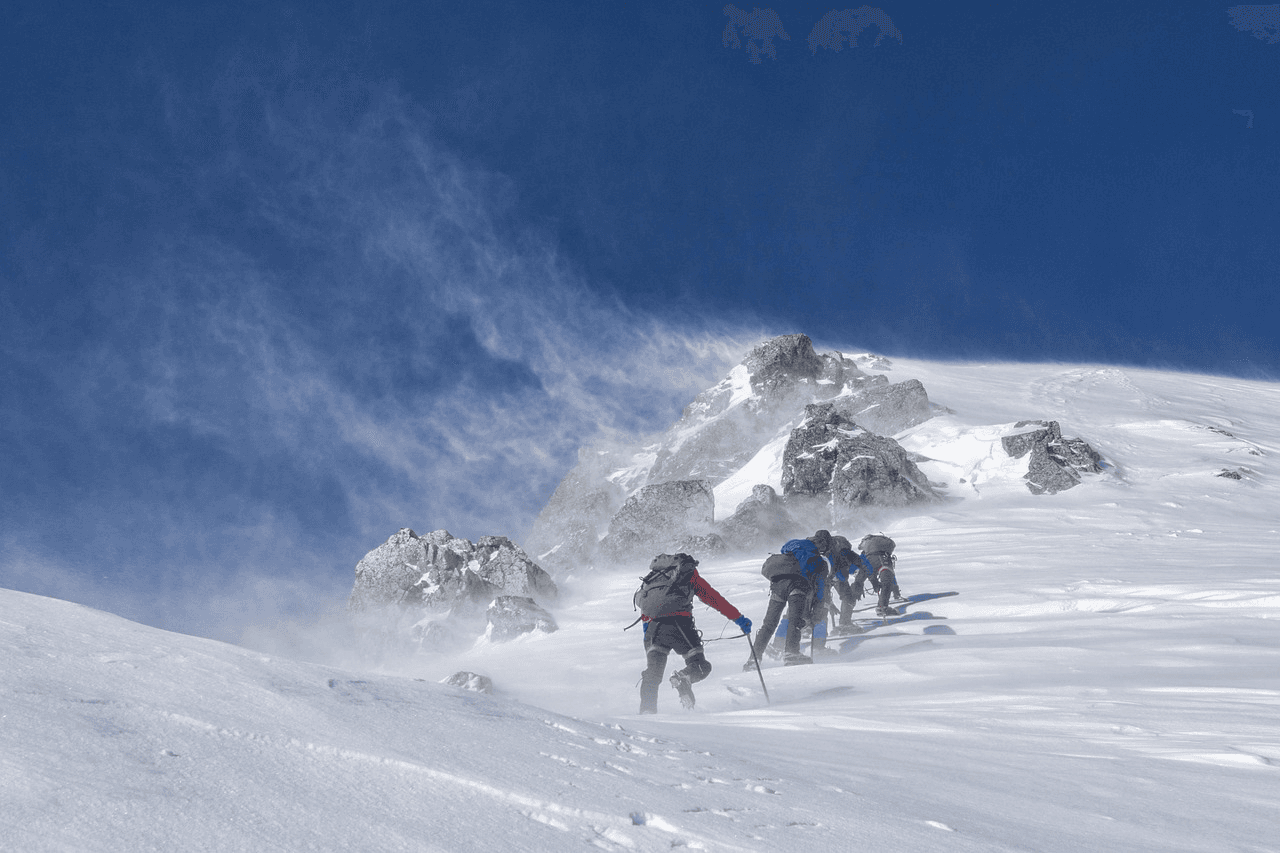
Popular Things To Do in the Khumbu Region
| Experience | Best For | Typical User |
|---|---|---|
| Everest Base Camp Trek | Classic Everest region trekking | Trekking |
| Kala Patthar Viewpoint | Everest sunrise and mountain views | Viewpoint |
| Namche Bazaar | Culture, acclimatisation and local life | Town / gateway |
| Tengboche Monastery | Sherpa Buddhist culture and mountain scenery | Cultural site |
| Gokyo Lakes | Lakes, glaciers and quieter trekking | Trekking / scenic |
| Three Passes Trek | Experienced trekkers wanting a challenge | High-pass trekking |
| Sherpa Villages | Culture, hospitality and local experience | Cultural travel |
| Island Peak and Lobuche Peak | Prepared trekkers moving toward climbing | Trekking peak climbing |
| Khumbu Icefall View Context | Travelers interested in Everest route geography | Trekking / visual experience |
| Everest Base Camp Helicopter Return | Time-conscious travelers, conditions permitting | Scenic return option |
Everest Base Camp Trek
The Everest Base Camp Trek is the most famous experience in the Khumbu region. It takes travelers through villages, forests, suspension bridges, monasteries and high-altitude valleys before reaching the Base Camp area near the Khumbu Glacier.
For many travelers, Everest Base Camp is the main goal. It offers a close look at the Everest expedition environment, especially during the spring season when climbing activity increases around Base Camp.
What Makes Everest Base Camp Special?
Everest Base Camp gives trekkers a real sense of the scale of the Everest region. It is not just about standing near the mountain. The journey includes Namche Bazaar, Tengboche, Dingboche or Pheriche, Lobuche, Gorak Shep and the glacial landscape near Base Camp.
Can You See the Khumbu Icefall?
Trekkers may see glacier landscapes near Everest Base Camp and understand where the technical climbing route begins, but they do not cross the Khumbu Icefall. Crossing the Icefall is an expedition activity, not part of a normal Everest Base Camp trek.
Who Should Choose Everest Base Camp?
Choose Everest Base Camp if you want a classic Himalayan trekking route, strong Everest identity, cultural stops and a challenging but non-technical mountain experience.
Namche Bazaar
Namche Bazaar is the main gateway town of the Khumbu region. It is often used as an acclimatisation stop and a place where trekkers rest, prepare and adjust before moving higher.
Why Visit Namche Bazaar?
Namche offers mountain views, local markets, bakeries, lodges, gear shops and a strong sense of Sherpa culture. It is also one of the most important places on the Everest Base Camp route.
Acclimatization in Namche
Many itineraries include an acclimatisation day in Namche. This helps trekkers adjust gradually before heading higher into the Khumbu region.
What Travelers Should Know
Namche is not just a stopover. It is a good place to slow down, learn about the region and understand how altitude begins to affect the body.
Gokyo Lakes
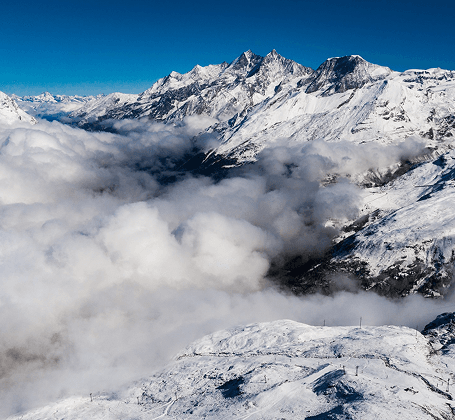
Gokyo Lakes offer a scenic alternative or extension to the standard Everest Base Camp route. The area is known for high-altitude lakes, glacier landscapes and views from Gokyo Ri.
Three Passes Trek
The Three Passes Trek is one of the most demanding trekking experiences in the Khumbu region. It usually includes Kongma La, Cho La and Renjo La.
This route is not for everyone. It requires strong fitness, more time, acclimatization and flexibility.
Why the Three Passes Route Stands Out
The Three Passes route gives trekkers a wider and more challenging Khumbu experience. It connects valleys, viewpoints, lakes and high passes in one major trekking circuit.
Who Should Consider It?
This trek is best for experienced trekkers who want a longer and more demanding Himalayan route than the standard Everest Base Camp trek.
Safety and Weather Notes
High passes can be affected by weather, snow and trail conditions. Travelers should choose proper support and avoid rushed itineraries.
Sherpa Villages and Culture
The Khumbu region is home to Sherpa communities whose culture, knowledge and mountain experience shape the Everest region.
Travelers should not treat the region as only a trekking playground. It is a living cultural landscape.
Village Life Along the Trail
Villages such as Namche, Khumjung, Khunde, Pangboche and others offer insight into local life, hospitality, mountain adaptation and Sherpa identity.
Monasteries, Prayer Flags and Mani Walls
Buddhist monasteries, prayer flags, mani stones and chortens are part of the cultural landscape. Travelers should walk respectfully and follow local customs.
Responsible Cultural Travel
Responsible travel means listening, learning, asking permission before photographing people, respecting sacred spaces and supporting local businesses fairly.
Island Peak and Lobuche Peak
Island Peak and Lobuche Peak are climbing objectives for prepared trekkers and developing climbers in the Everest region. They are often considered by travelers who want to progress beyond trekking into Himalayan climbing.
These are not normal trekking activities. They require preparation, guides, equipment, permits and proper acclimatization.
Island Peak
Island Peak is often chosen by trekkers who want an introduction to Himalayan climbing after gaining high-altitude trekking experience.
Lobuche Peak
Lobuche Peak is another popular climbing objective and may feel more serious for developing climbers.
Trekking Peak Planning
Before considering either peak, travelers should understand route difficulty, guide support, permits, gear, weather and emergency planning.
Tengboche Monastery
Tengboche Monastery is one of the most meaningful cultural stops in the Khumbu region. It is known for its Buddhist heritage, mountain views and peaceful setting along the Everest Base Camp route.
Cultural Importance
The monastery is important to Sherpa Buddhist life and gives travelers a chance to experience the spiritual side of the Khumbu region.
Mountain Views
Tengboche is also known for views of peaks such as Ama Dablam and other Himalayan mountains, depending on weather and visibility.
Respectful Visiting
Visitors should dress modestly, follow local etiquette, avoid disturbing ceremonies and respect monastery rules.
Khumbu Icefall View Context
Many travelers researching the Khumbu region want to understand the Khumbu Icefall. The Icefall is connected with Everest Base Camp, but it is not a normal trekking route.
What Trekkers Can See
Trekkers may see glacier landscapes near Everest Base Camp and understand where the technical climbing route begins. Visibility and access depend on location, weather, itinerary and local guidance.
What Trekkers Cannot Do
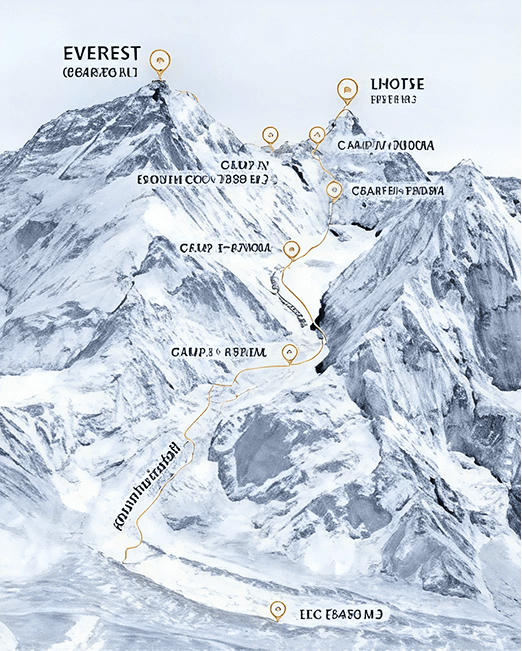
Normal trekkers should not expect to cross the Khumbu Icefall, climb toward Camp 1 or use expedition ladders. That belongs to technical expedition climbing.
Why This Experience Still Matters
Understanding the Khumbu Icefall gives travelers a better sense of Everest's geography, route difficulty and the difference between trekking and climbing.
Everest Base Camp Helicopter Return
Some travelers consider trekking to Everest Base Camp and returning by helicopter to reduce return walking time. This may be possible for some travelers, depending on weather, aircraft availability, regulations, landing conditions, operator planning and safety judgment.
Why Travelers Consider It
A helicopter return may save time and offer a scenic aerial perspective of the Khumbu region.
What to Check First
Before choosing this option, ask about weather flexibility, landing points, safety practices, luggage limits, cost, insurance and contingency plans.
Responsible Use
Helicopter use should be considered carefully because mountain aviation depends on weather and local conditions. It should not be treated as guaranteed or casual.
How to Choose the Right Khumbu Experience
The best thing to do in Khumbu depends on your purpose. Some travelers want the classic Everest Base Camp trek. Some want culture. Some want lakes and high passes. Some want climbing preparation.
If You Want the Classic Everest Experience
Choose Everest Base Camp. Kala Patthar and key villages along the main trail.
If You Want a Scenic Alternative
Consider Gokyo Lakes or Gokyo with Cho La Pass.
If You Want a Bigger Challenge
Consider Three Passes, Island Peak or Lobuche Peak only with the right preparation and support.
If You Are Still Unsure
Start with your experience level, travel month, available days, altitude comfort and interest in trekking versus climbing.
Things To Do in Khumbu FAQs
Start With Better Khumbu Information
The Khumbu Icefall is one of the most important and serious parts of the Everest region. Whether you are researching Everest Base Camp, learning about the Icefall route, exploring Khumbu treks or comparing future travel options, start with clear information first.